

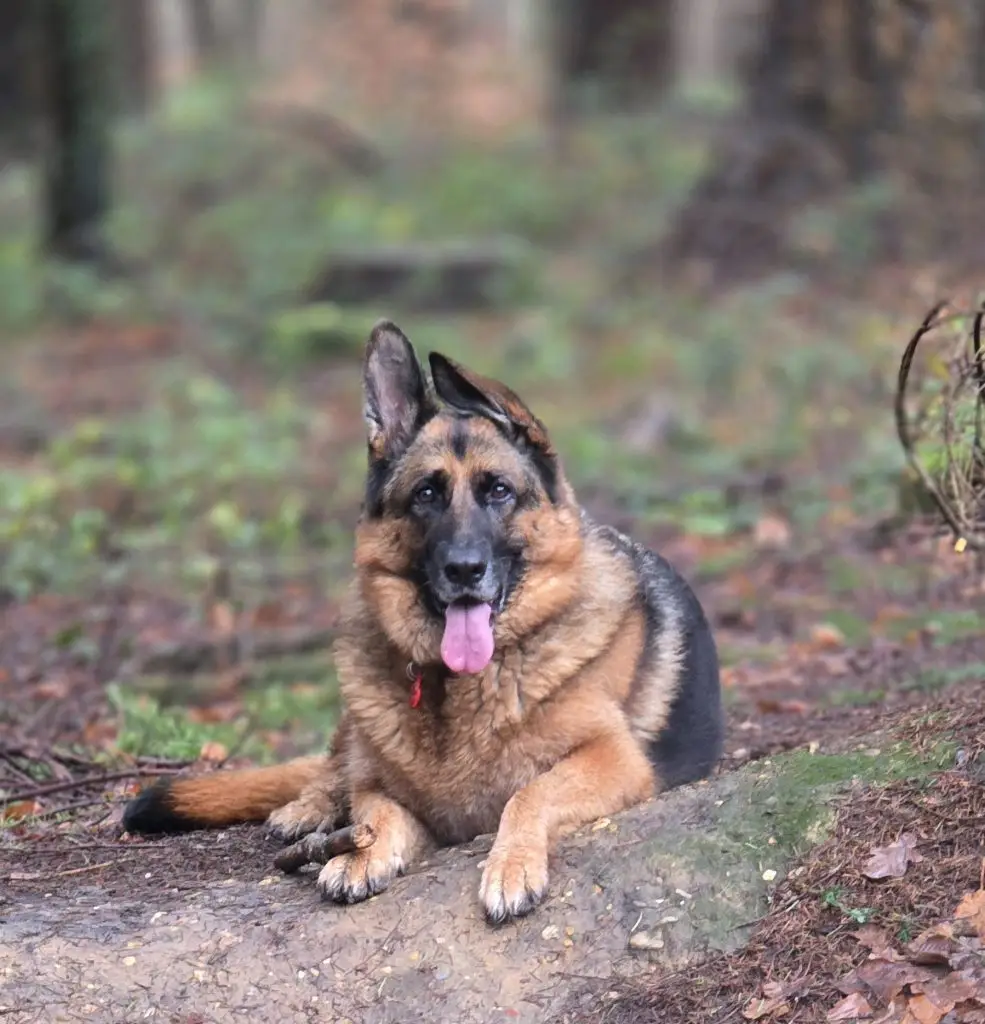
When your bitch (female dog) is in season (also called being “in heat”), it means she’s going through her reproductive cycle and is fertile. This can feel overwhelming especially the first time but with the right care and management, it’s completely manageable.
Here’s what you need to know and what to do.
🩸 1. Understand the Heat Cycle
A typical heat cycle happens about every 6–8 months (though this varies by breed and individual dog) and usually lasts around 2–3 weeks.
The main stages:
- Proestrus (about 7–10 days)
Swelling of the vulva and bloody discharge. Male dogs will show interest, but she usually won’t allow mating yet. - Estrus (about 5–10 days)
Discharge becomes lighter (pinkish or straw-colored). This is when she is fertile and will allow mating. - Diestrus
Hormones settle, and she’s no longer receptive.
🏠 2. Prevent Unwanted Pregnancy
This is the most important priority.
- Keep her indoors or securely fenced at all times.
- Never leave her unattended outside, even in your own garden.
- Avoid off lead walks.
- Walk her on a lead only.
- Be aware that male dogs can detect a female in heat from a long distance and may try to escape their own homes.
If you have male dogs at home:
- Keep them separated at all times.
- Use baby gates, closed doors, or crates if necessary.
- Do not rely on supervision alone.
🧼 3. Manage the Mess
Bloody discharge is normal during heat.
You can:
- Use dog heat pants (change frequently).
- Cover furniture with washable blankets.
- Gently clean the area with warm water if needed (avoid harsh soaps).
Some dogs groom themselves frequently, which can reduce visible discharge.
🧠 4. Expect Behavioral Changes
During heat, your dog may:
- Be more clingy or restless
- Seem anxious or distracted
- Urinate more frequently (marking behaviour)
- Attempt to escape
Provide:
- Extra supervision
- Mental stimulation (puzzle toys, training games)
- Calm reassurance
Avoid high-traffic dog areas like parks or daycare.
🚩 5. Watch for Health Concerns
Contact a vet if you notice:
- Foul-smelling discharge
- Excessive bleeding
- Lethargic or fever
- Signs of pain
- Heat lasting longer than 4 weeks
Also be aware of pyometra, a serious uterine infection that can occur weeks after a heat cycle. Symptoms include fatigue, increased thirst, and unusual discharge. This is an emergency.
🐾 6. Consider Spaying
If you do not plan to breed your dog responsibly, spaying is strongly recommended.
Spaying:
- Prevents unwanted pregnancies
- Eliminates future heat cycles
- Greatly reduces risk of mammary tumors
- Prevents pyometra
Discuss timing with your veterinarian. Many vets recommend spaying a few months after a heat cycle ends.
💛 Final Thoughts
A dog in season needs patience, supervision, and a bit of extra care but it’s a natural and temporary process. With proper management, you can keep her safe, comfortable, and stress-free.
If this is her first heat, don’t worry you’ll quickly learn her patterns and feel more confident next time.